
We transform clinical and omics data into interpretable, production-ready models, and apply generative AI to explore candidates and optimize hit-to-lead medical pipelines
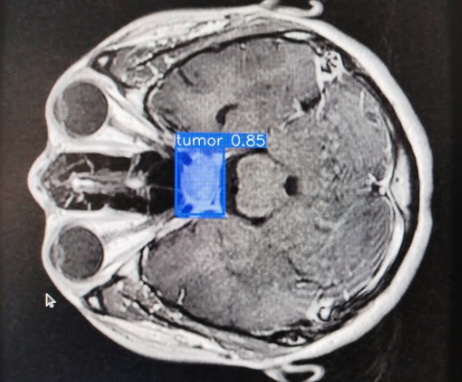
Detection of brain tumors using artificial intelligence based on convolutional neural networks (CNNs).
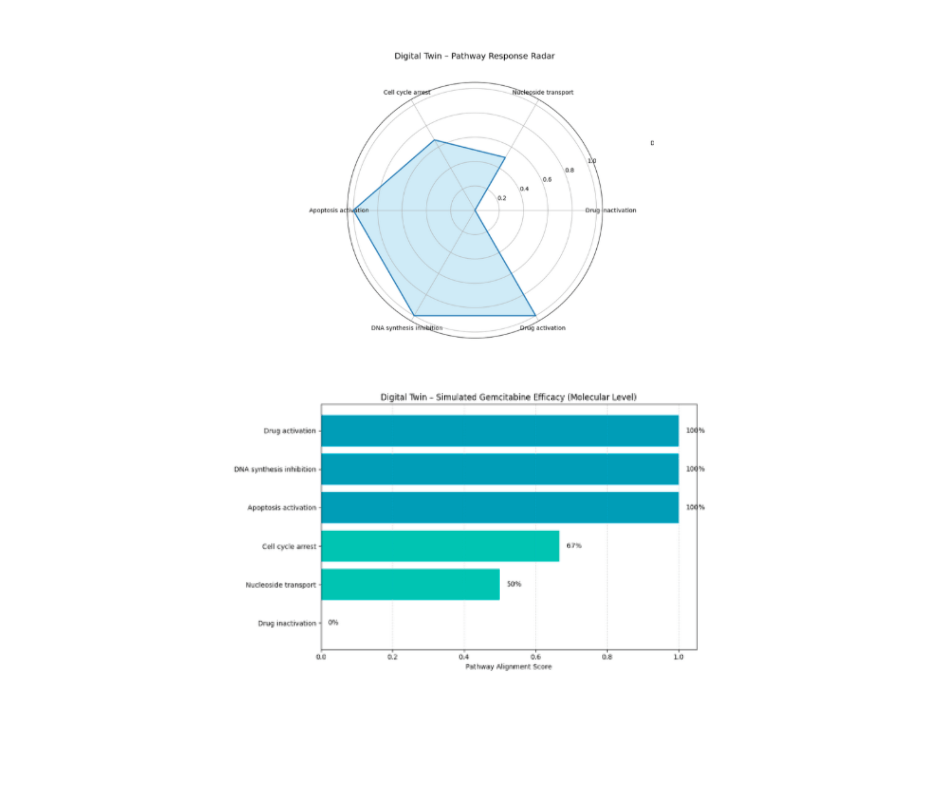
Up: Radar plot showing pathway-level alignment between the digital twin’s gene expression profile and gemcitabine’s expected mechanisms. Down: Bar chart summarizing pathway modulation (green: high alignment; orange: partial; red: low).
Why work with Axiom Insilico?

Rubén López Aladid
Data Science & Bioinformatics
Genetics & Genomics PhD.
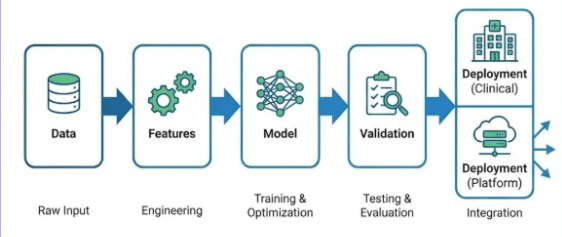
1 Define the scope
Before any modeling starts, the key question is clarified: What decision will this model change if it works?
This step prevents months of technically correct work that never translates into clinical, scientific, or business impact.
2 Audit your data
Data quality, leakage risks, bias, and feasibility are assessed upfront.
This critical step allows potential limitations to be identified early, before timelines, expectations, and decisions are locked in.
3 Build and validate
Models are developed and stress-tested using appropriate metrics, calibration, and subgroup analysis to reflect how they will behave outside the notebook, where consequences are real.
4 Make the model accurate and defensible
Interpretability and documentation are produced in parallel, so results can be explained to clinicians, reviewers, regulators, or leadership.
5 Delivery
Receive a deployment-ready output (API, dashboard), a clear hand-off, and a maintenance plan